
Última actualización: octubre de 2026 · Escrito por el equipo de Golden Spa Cusco
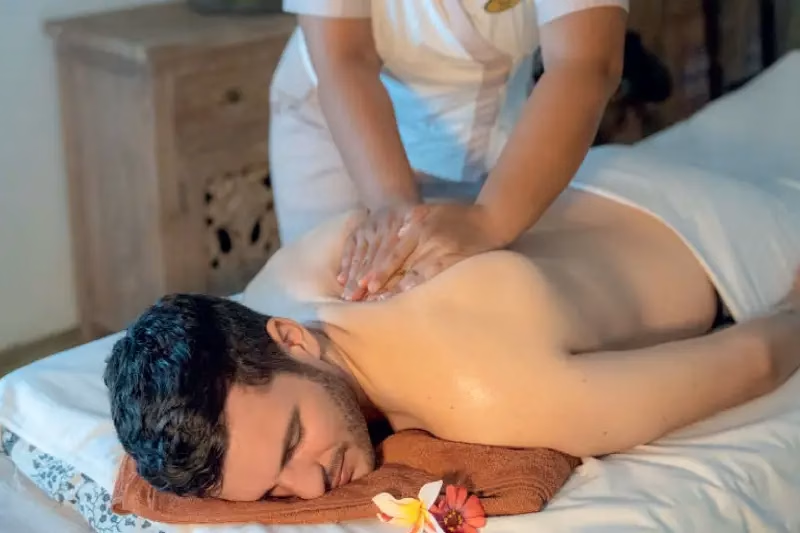
Cuatro días en el Camino Inca, una larga ascensión en el Trekking de Salkantay o una mañana empinada en la Montaña Arcoíris pueden dejarte las piernas pesadas y doloridas durante días. Un masaje para recuperar los músculos es una de las maneras más comunes en que los viajeros en Cusco intentan sentirse mejor antes de la siguiente etapa del viaje.
Esta guía abarca lo que dicen las investigaciones sobre el masaje y el dolor muscular, lo que el masaje no hace y qué tipo es el más adecuado para cada situación después de una caminata. También explica qué es el masaje deportivo y cuáles son los servicios más similares de Golden Spa Cusco.
Respuesta rápida: Las investigaciones sugieren que un masaje después de un ejercicio intenso puede reducir el dolor muscular durante las siguientes 24 a 72 horas y mejorar ligeramente la flexibilidad. Sin embargo, las opiniones no indican que mejore directamente la fuerza, la velocidad o la resistencia. Para los excursionistas, un masaje de tejido profundo o centrado en las piernas, con una presión cómoda, después de ducharse, comer y descansar, es una opción práctica.
¿Qué es un masaje para la recuperación muscular?
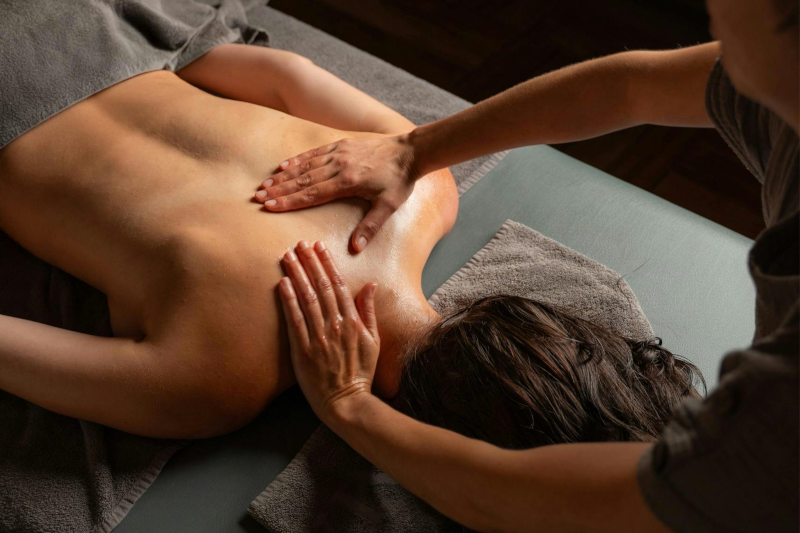
A recovery massage is a massage given after hard physical effort to ease soreness and tightness so you feel ready to move again. It is a goal more than a separate technique: therapists use familiar strokes, kneading and pressure, but focus on the muscles that did the most work.
For hikers, those are usually the calves, thighs, hips and lower back. Compared with a relaxation massage, a recovery-focused session spends more time on worked muscles and often uses firmer pressure, adjusted to how sore you feel.
Does Massage Help Muscle Recovery? What the Research Says
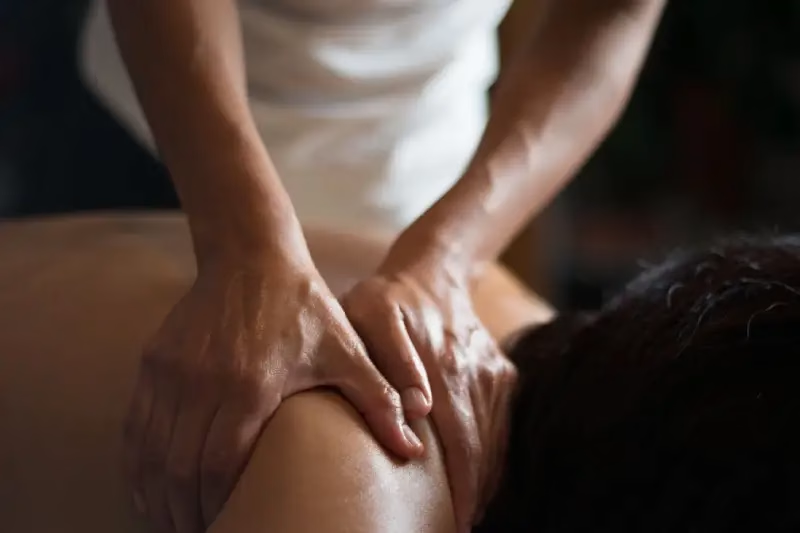
Massage appears to help with muscle soreness after exercise, while its effect on performance is less clear. The key concept is delayed onset muscle soreness (DOMS), the stiff, achy feeling in the days after hard or unfamiliar exercise.
A 2017 systematic review and meta-analysis by Guo and colleagues in Frontiers in Physiology found that massage after strenuous exercise reduced DOMS ratings at 24, 48 and 72 hours compared with no intervention. The authors concluded that massage could be effective for alleviating DOMS and improving muscle performance.
A 2020 meta-analysis by Davis, Alabed and Chico in BMJ Open Sport & Exercise Medicine found no evidence that sports massage directly improves strength, sprint, endurance or fatigue, but it may somewhat improve flexibility and DOMS.
| Outcome | What the research suggests |
|---|---|
| Muscle soreness (DOMS) | Lower soreness ratings at 24, 48 and 72 hours after massage (Guo 2017); may somewhat improve (Davis 2020) |
| Flexibility | May somewhat improve (Davis 2020) |
| Strength, sprint, endurance, fatigue | No evidence that sports massage directly improves them (Davis 2020) |
| Overall muscle performance | Guo 2017 says massage “could be effective”; Davis 2020 found no direct effect, so the evidence is mixed |
In short, massage may help your legs feel less sore, but it will not make you fitter for the next climb.
Who Is a Recovery Massage Best For?
A recovery massage is best for healthy travelers whose muscles feel sore or tight from effort, not injury. In Cusco, that includes:
- Trekkers finishing multi-day routes such as the Inca Trail or the Salkantay Trek.
- Day hikers back from Rainbow Mountain or Humantay Lake.
- Travelers who walked for hours at Machu Picchu or around the Sacred Valley.
Sharp pain, swelling or joint pain are a different matter. Check the precautions below before booking.
Is Massage Good After Hiking in Cusco?
Massage after hiking is a popular way to unwind once a trek is over, and research on post-exercise soreness gives some support for it if you feel otherwise well. Altitude matters too: the CDC advises travelers to participate in only mild exercise for the first 48 hours at altitude, so a calm massage can be a sensible way to spend early rest days before a trek.
No study gives an exact waiting time after a hike, so shower, drink water and eat first, and choose lighter pressure if your legs feel very tender. Our guide to getting a massage before or after hiking goes into timing, and our page on post-trek massage at Golden Spa covers planning a session after your trek.
Just back from your trek? Tell us your route and how your legs feel, and we will suggest a format. Button: Plan Your Recovery Massage
Sports Massage vs Deep Tissue vs Swedish: Which Massage Is Best for Muscle Recovery?
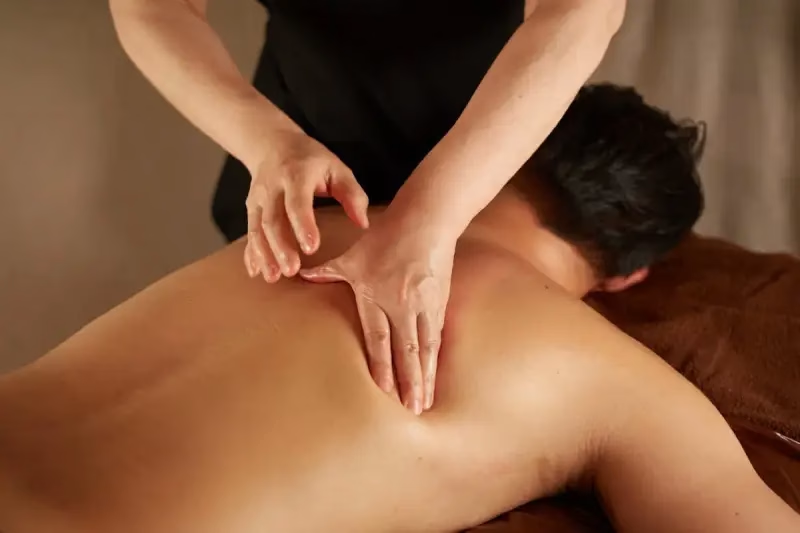
The best massage for muscle recovery depends on how sore you are and how much pressure you enjoy. Sports massage is massage used around training and competition, the type studied in the Davis 2020 review. Golden Spa Cusco does not list a sports massage service; the closest options are deep tissue and the focused back or leg massage.
| Option | Available at Golden Spa? | Duration | Pressure | Best fit |
|---|---|---|---|---|
| Sports massage | No, not listed as a service | Not applicable | Varies | Athletes around training and events |
| Deep tissue massage | Yes | 1 hour | Slow, firm strokes with deep pressure on tense areas | Whole-body tightness after long hikes |
| Leg massage only | Yes | 40 minutes | Gentle, medium or firm | Calves, thighs and feet after walking |
| Back massage only | Yes | 40 minutes | Gentle, moderate or deep | Shoulders and back after carrying a pack |
| Swedish massage | Yes | 1 hour | Long, gliding strokes and kneading | Gentle recovery and relaxation |
| If you… | Better choice | Why |
|---|---|---|
| Finished a multi-day trek and feel tight everywhere | Deep tissue massage (1 h) | Firmer pressure on tense areas, head to feet |
| Mostly feel it in your calves and thighs | Leg massage (40 min) | All the time goes to the legs and feet |
| Carried a heavy daypack | Back massage (40 min) | Focus on shoulders, upper and lower back |
| Feel very sore and prefer a gentle touch | Swedish massage (1 h) | Light, relaxing strokes on the back and legs |
For more on deep tissue, read our guide on how deep tissue massage supports muscle recovery. For sore or aching legs, see our article on massage for leg pain.
Legs or back doing most of the complaining? Our 40-minute leg or back massage targets the muscles that worked hardest. Button: Book a Leg or Back Massage
How Long Should a Recovery Massage Last?
A recovery massage at Golden Spa Cusco lasts 40 minutes for a focused leg or back session, or 1 hour for a full-body deep tissue or Swedish massage. Forty minutes suits a single tired area. The 1-hour deep tissue massage makes more sense after a multi-day trek, and if another big hike is coming soon, a shorter, lighter session is often more comfortable.
What to Expect From a Recovery Massage at Golden Spa
A recovery massage at Golden Spa begins with your health details: the contact form asks about medical conditions, so mention injuries, joint problems or medications.
The therapist checks pressure with you and adjusts it to what you ask for, and Golden Spa uses organic oils. The Mayo Clinic notes that some soreness can happen the next day depending on the type of massage, that you should not feel severe pain, and that you should speak up if the pressure is too strong.
When to Avoid a Recovery Massage
A recovery massage is not suitable when soreness could be an injury or a medical problem. See a doctor before booking if you have:
- Sharp pain, swelling or bruising after a fall or twisted ankle on the trail.
- Pain in a joint rather than in the muscle, or you cannot put weight on a leg.
- A calf that is painful, swollen or warm, especially after a long flight or bus ride.
- Fever, or you feel unwell from the altitude.
HealthLinkBC advises avoiding massage with a fever or contagious illness, bruises or skin abrasions, a blood clot in a vein, recent surgery, a bleeding disorder, low platelets or blood thinners. Mayo Clinic adds a recent heart attack, broken bones, severe osteoporosis, burns and pregnancy as reasons to check with your healthcare team first.
This article is for general information and does not replace advice from a doctor or other qualified health professional.
Where to Get a Recovery Massage in Cusco
Golden Spa Cusco is at Av. El Sol 948, second floor, Centro Comercial Cusco Sol Plaza (unit 216), in central Cusco. The spa is open Monday to Saturday, 9:00 AM to 9:00 PM.
Book through the contact form, by WhatsApp or phone at +51 997 721 716, or by email at info@goldenspacusco.com. See current rates on our prices page.
FAQ
What massage is best for muscle recovery?
For whole-body tightness after a long trek, many people choose deep tissue massage at a comfortable pressure. If one area is the problem, a 40-minute leg or back massage focuses on it. For very sore muscles and gentle work, Swedish massage fits well.
Is deep tissue massage good for muscle recovery?
Deep tissue massage suits muscles that feel tight and worked, and many trekkers like it after multi-day routes. Very sore muscles can be tender, so ask for moderate pressure first and tell the therapist how it feels.
How soon after hiking should I get a massage?
No study gives an exact waiting time. A practical approach is to shower, rehydrate and eat first, then book for that evening or the next day. Choose lighter pressure if your legs feel very tender, and keep deeper work for a later session.
What massage is best after the Inca Trail?
After days of stone steps and long descents, legs and back usually feel it together. A 1-hour deep tissue massage covers the whole body, while a 40-minute leg massage targets calves, thighs and feet. You can book for the day you return to Cusco from Machu Picchu.
¿Cuál es la diferencia entre un masaje de recuperación y un masaje de relajación?
Un masaje relajante, como el sueco, utiliza movimientos suaves y fluidos para calmar todo el cuerpo. Un masaje de recuperación se centra en los músculos que más trabajaron, a menudo con una presión más firme. Ambos pueden resultar reconfortantes después de una caminata; la elección depende de cuánto dolor muscular tengas.
¿Golden Spa ofrece masajes deportivos?
No. Golden Spa Cusco no ofrece servicio de masaje deportivo. Para recuperarse después de una caminata, las opciones más similares son el masaje de tejido profundo de 1 hora y el masaje de piernas o espalda de 40 minutos, con presión ajustada según sus preferencias. Mencione su ruta al reservar.
¿Un masaje me hará más fuerte para mi próxima excursión?
Probablemente no directamente. Un metaanálisis de 2020 no encontró evidencia de que el masaje deportivo mejore directamente la fuerza, la velocidad, la resistencia o la fatiga. Sin embargo, el masaje puede aliviar el dolor muscular y mejorar ligeramente la flexibilidad, algo que muchos excursionistas encuentran útil entre caminatas.
Masaje para la recuperación muscular: consejos clave para excursionistas
El masaje para la recuperación muscular se considera principalmente una forma de aliviar el dolor y la rigidez después de un esfuerzo intenso. Las investigaciones indican una menor molestia en los días posteriores, pero no una mejora directa y clara del rendimiento. Para los excursionistas en Cusco, un masaje de tejido profundo o una sesión específica de piernas o espalda con la presión que elijan es una opción práctica cuando no hay lesiones.
¿Listo para descansar las piernas después de la caminata? Cuéntanos sobre tu excursión y te ayudaremos a elegir la sesión adecuada. Botón: Reserva tu masaje